The Kaka people, more properly known as the Yamba, are a highland people of northwestern Cameroon whose history stretches back through centuries of migration, survival, and cultural endurance. The name “Kaka” was given to them by outsiders and translates to “No-no” in the Nsungli/Limum language; the people themselves prefer and use the name Yamba.
The Kaka (Yamba) People of Cameroon — A History
The Kaka people, more properly known as the Yamba, are a highland people of northwestern Cameroon whose history stretches back through centuries of migration, survival, and cultural endurance. The name "Kaka" was given to them by outsiders and translates to "No-no" in the Nsungli/Limum language; the people themselves prefer and use the name Yamba.
Ancient Origins
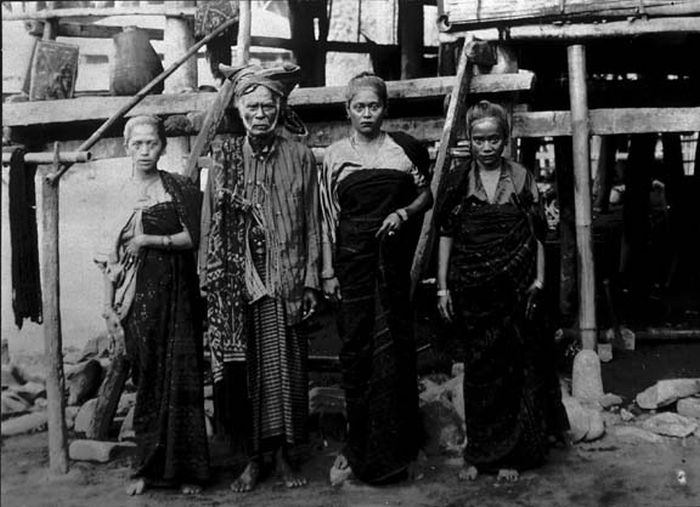 The Yamba trace their ancestry to the Tikar, one of central Africa’s great founding peoples. Oral tradition asserts that the Tikar originally inhabited the Nile River valley in present-day Sudan, with some sources further claiming descent from the Kingdom of Kush. Over many generations, the Tikar moved westward across the African continent, eventually establishing themselves in the Adamawa region of what is now Cameroon. The Yamba people believe they originated from Kimi — present-day Bankim in the Adamawa Region — where the Tikari language is still spoken today, and this ancestry is generally attested by the people themselves.
The Great Dispersal
The Yamba did not leave Kimi willingly. Oral sources claim that the Yamba were the last of the Tikar groups to depart from Kimi, after larger groups such as the Nso, Kom, and Mbum had already fled the threats posed by Muslim Jihadists led by Uthman Dan Fodio, whose campaigns of the 18th and 19th centuries almost led to the extermination of the group. It was this violent pressure that set the Yamba in motion toward the highlands of the northwest.
Migration in Waves
The movement from Kimi unfolded in different waves over many years before each group settled in its final location. The Mbem appear to have been the first to arrive in the present-day Yamba area, where they met and displaced other groups already living there. Some
groups wandered as far as Ntem, Ndu, and into Nigeria before reaching their destination. Another wave — including the Ntong, Saam, Nyang, Ntim, and Yang — arrived after passing
through Nigeria, and evidence of this journey survives in the presence of Yamba dialect speakers still living in Nigeria today. Inter-village wars also shaped the settlement landscape, with Mbem defeating several neighbors and asserting early dominance across the region.
Settlement and Isolation
The Yamba eventually settled in a remote mountain range in the Northwest Province of Cameroon, just south of the Nigerian border, in seventeen villages within a thirty-kilometer radius, accessible only by four-wheel drive or on foot. This isolation, while protecting the Yamba from further outside threats, also meant they remained largely unknown to the wider world for generations. It was not until 1928 that any mission was able to reach the Yamba, and it was only in 1975, with the blasting of a road over Rom Rock, that significant outside influence began to reach the community.
Today
The Yamba today number approximately 151,000 people, spread across Cameroon and Nigeria. Their animist traditions remain deeply embedded in daily life even as Christianity has made inroads — and objects like the porcupine tunic of the Kaka endure as testament to a spiritual culture that has outlasted centuries of upheaval, displacement, and change.