Primitive

Journal

Peoples, deities and the objects they made: notes on the cultures behind the collection.

Dzi Beads: History and Significance
Uncategorized

Dzi Beads: History and Significance

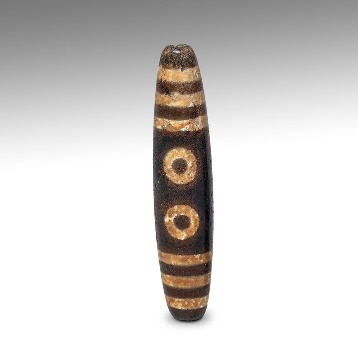
Dzi beads, pronounced “zee,” are among the most mysterious and treasured objects in the Tibetan cultural world. Cylindrical or barrel-shaped stones, typically dark brown or black with striking ivory-white patterns of stripes,…
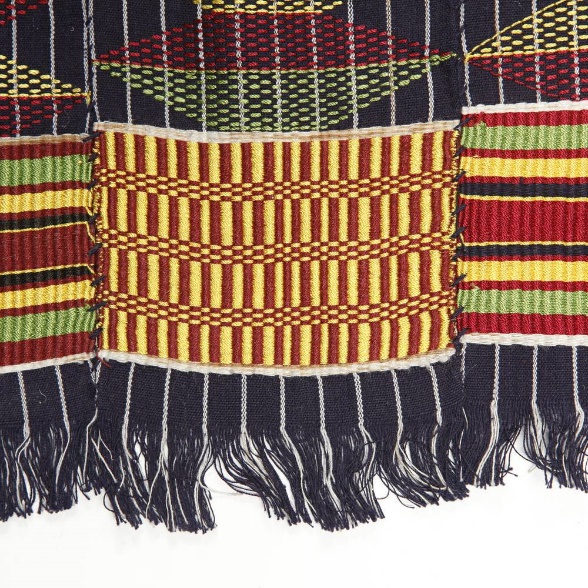
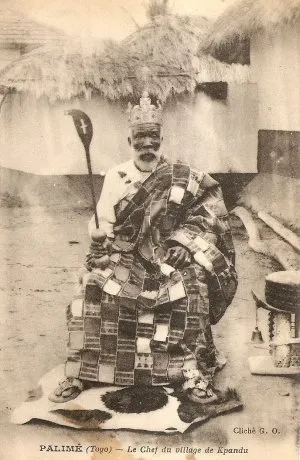
Ewe Cloth
Uncategorized

Ewe Cloth

The Ewe pronounced “Ev-ay,” are a West African people who live around the Volta delta of southeastern Ghana and across the international border in southern Togo. According to their own oral histories,…

The Ewe People
Uncategorized

The Ewe People

The Ewe, pronounced “Ev-ay,” are a Gbe-speaking people of West Africa whose homeland today spans southeastern Ghana, southern Togo, and southwestern Benin. Numbering roughly seven million across the region, they trace their…

Baby Carriers of the Miao-Hmong
Uncategorized

Baby Carriers of the Miao-Hmong

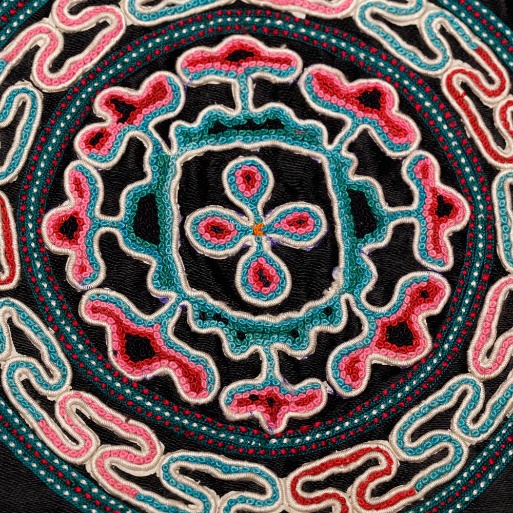
The Miao, known beyond China as the Hmong, are believed to be among the earliest indigenous peoples of China. Over many centuries, repeated conflicts with expanding Han Chinese populations pushed them southwest…

Nwentoma: The Kente Ceremonial Cloth
Uncategorized

Nwentoma: The Kente Ceremonial Cloth

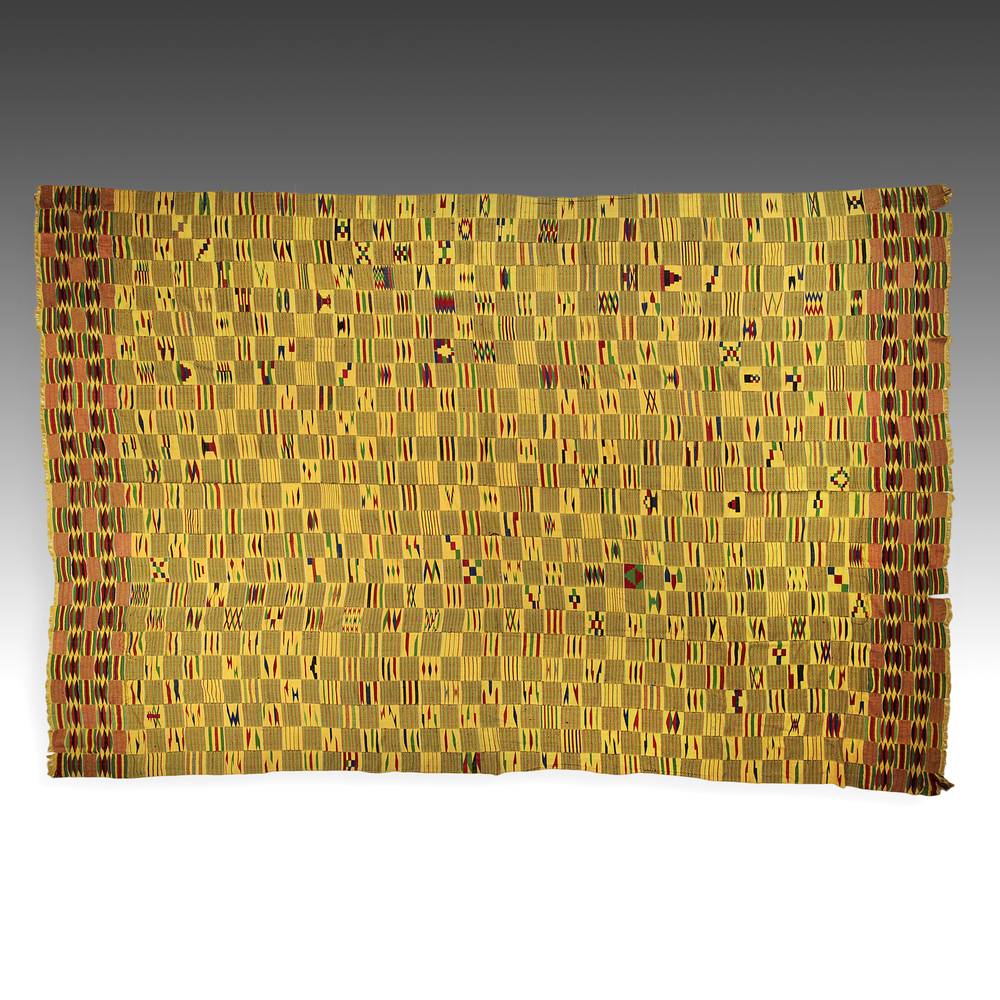
Among the Akan peoples of Ghana, kente cloth is known as nwentoma, which translates simply as “woven cloth.” The name kente itself derives from kenten, the Asante word for basket, a reference…

The Ashanti People
Uncategorized

The Ashanti People

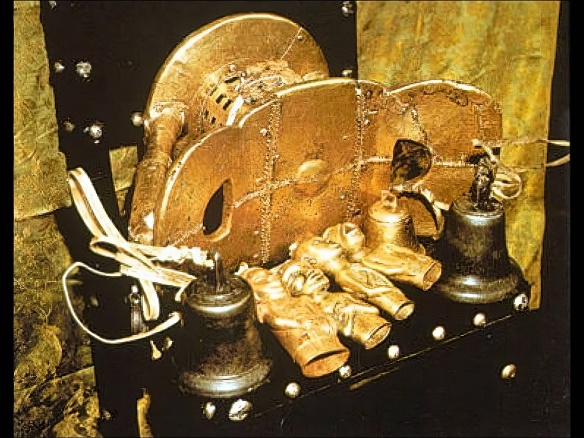
The Ashanti, also written Asante, are an Akan-speaking people of the central forest belt of present-day Ghana. They emerged from a cluster of small Akan chiefdoms in the late seventeenth century, when…

Early Access

New pieces, sent to you before they are shown.

Scroll to Top