People of the Free Land
The Thai People: History and Significance
People of the Free Land
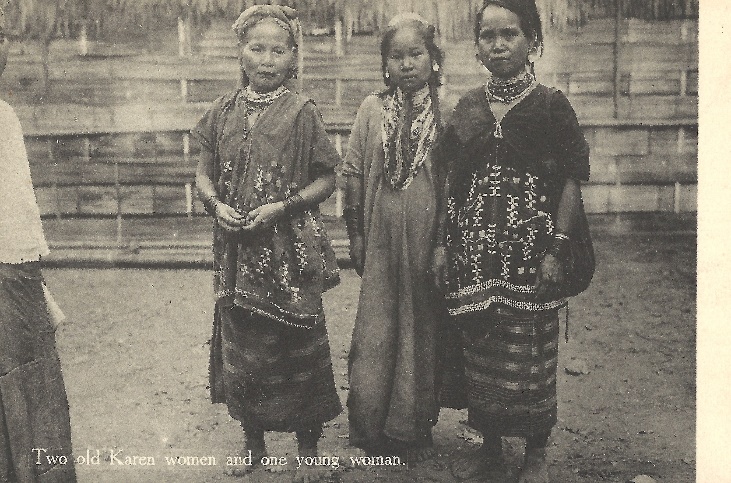
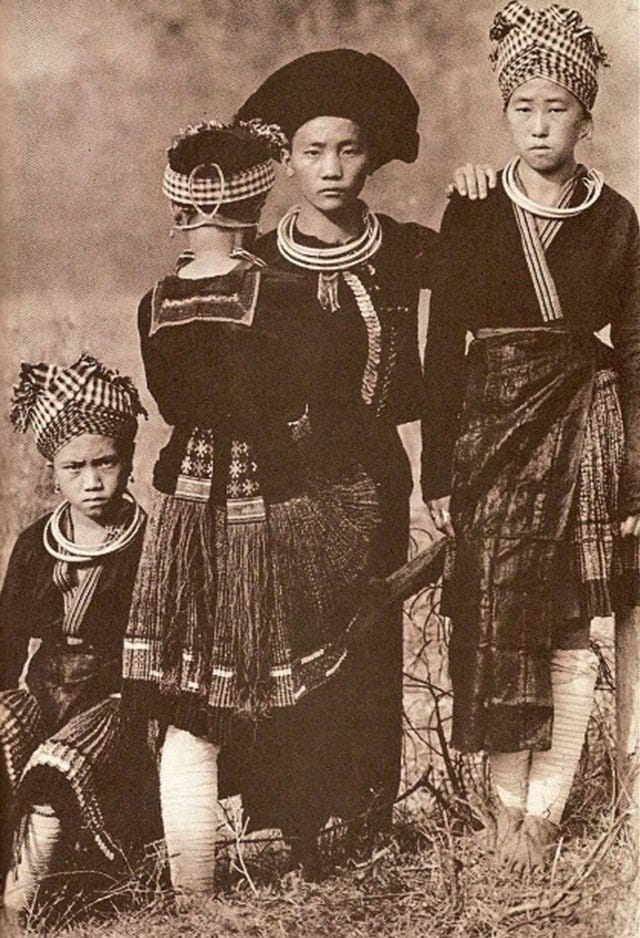 The Thai people are the dominant ethnic and linguistic group of the Kingdom of Thailand, numbering more than fifty million in a country of roughly seventy million inhabitants. The name Thai is most often translated as “free,” and Thailand, formerly known as Siam, is celebrated as one of the few nations of Southeast Asia never colonized by a European power. Although the Thai are the majority, the country is home to many related and distinct groups including the Lao-speaking Isan of the northeast, the Lanna of the north, the southern Thai with strong Malay influences, hill peoples such as the Karen, Hmong, and Akha, and a substantial Chinese-Thai population integrated through centuries of trade and intermarriage.
Origins and Early Kingdoms
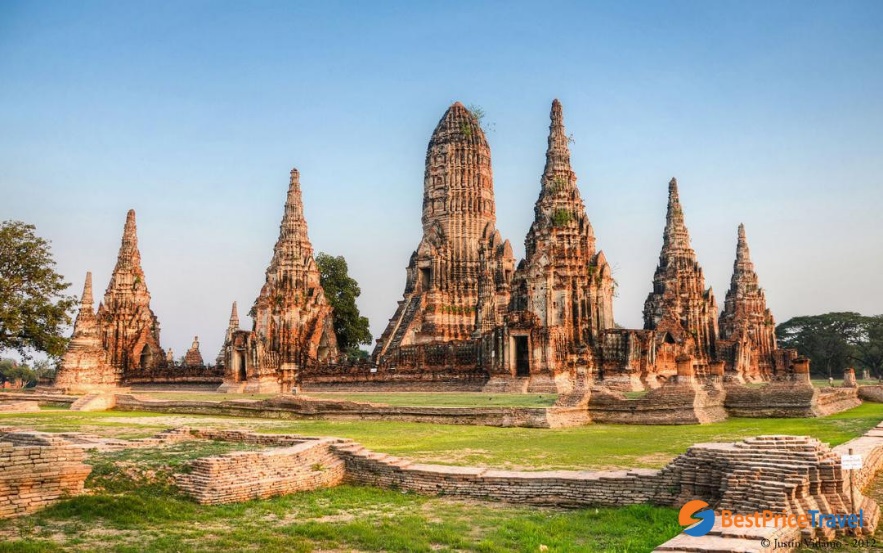
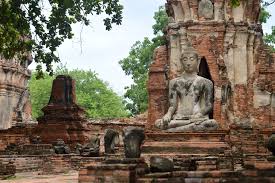 Linguistic and historical evidence indicates that the ancestors of the Thai migrated southward from regions in what is now southern China over many centuries, settling in the river valleys of mainland Southeast Asia and absorbing the Mon and Khmer civilizations they encountered. The first major Thai polity emerged in the thirteenth century with the rise of Sukhothai under King Ramkhamhaeng, who is credited with creating the Thai alphabet and establishing Theravada Buddhism as the spiritual foundation of the realm. The kingdom of Ayutthaya succeeded Sukhothai and flourished from 1351 to 1767 as one of the wealthiest and most cosmopolitan capitals of the world, before its destruction by Burmese armies. The current Chakri dynasty was founded in 1782 by King Rama I, who established Bangkok as the new capital, where it has remained ever since.
Family of Hmong Women
The Kingdom of Ayutthaya today
Religion, Culture, and Daily Life
 Theravada Buddhism is the heart of Thai cultural life, professed by more than ninety percent of the population and shaping the rhythms of daily living, from the saffron-robed monks who walk the streets at dawn collecting alms to the temple festivals that anchor the calendar. Animist beliefs in protective spirits, expressed in the household spirit houses found outside nearly every Thai home, coexist easily with Buddhist devotion. Thai culture is renowned for its classical dance, shadow puppetry, exquisite cuisine balancing sweet, sour, salty, bitter, and spicy flavors, and the gentle social grace expressed in the wai greeting and the ethos of jai yen, or cool heart. Family bonds, respect for elders, and reverence for the monarchy form enduring social pillars.
Significance Today
 Modern Thailand stands as the second-largest economy in Southeast Asia and a regional cultural powerhouse, with Bangkok ranking among the most visited cities in the world. The country has navigated the twentieth and early twenty-first centuries through a complex sequence of constitutional changes, periods of military rule, and democratic reforms. Through every transformation, the Thai people have preserved a strong sense of identity rooted in Buddhism, language, the institution of the monarchy, and a long-standing pride in independence, ensuring their continuing presence as one of Southeast Asia’s most influential nations.
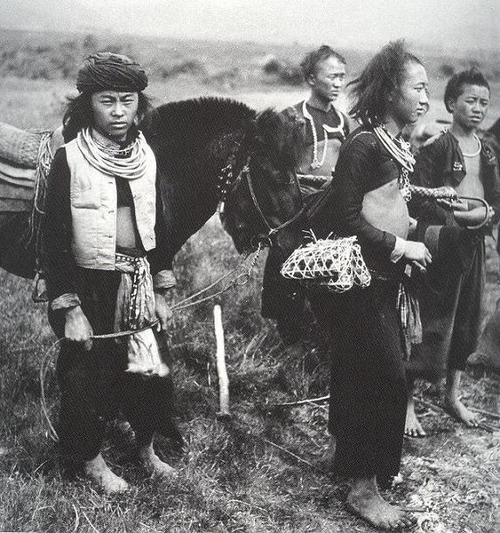
Women from The Karen Tribe