A Tradition of Folk Artistry from China’s Northwest Frontier
Antique Painted Cabinets from Gansu Province
A Tradition of Folk Artistry from China’s Northwest Frontier
Origins and Cultural Context
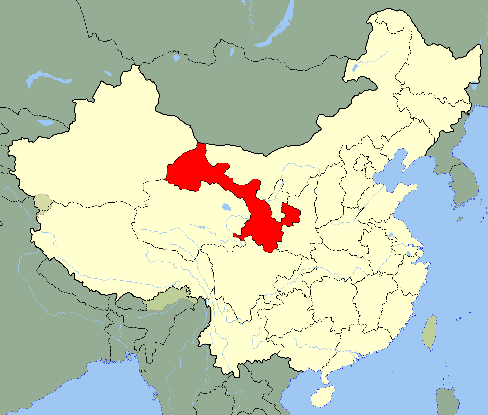 Gansu Province, a long, narrow corridor in northwestern China, has for centuries served as a crossroads of Han Chinese, Tibetan, Mongol, and Central Asian cultures. Stretching along the historic Hexi Corridor of the Silk Road, the region produced a distinctive tradition of painted wooden furniture that flourished from the late Ming dynasty through the early twentieth century. Antique painted cabinets from Gansu are prized today for their bold colors, expressive folk imagery, and the unmistakable patina of generations of household use.
Construction and Materials
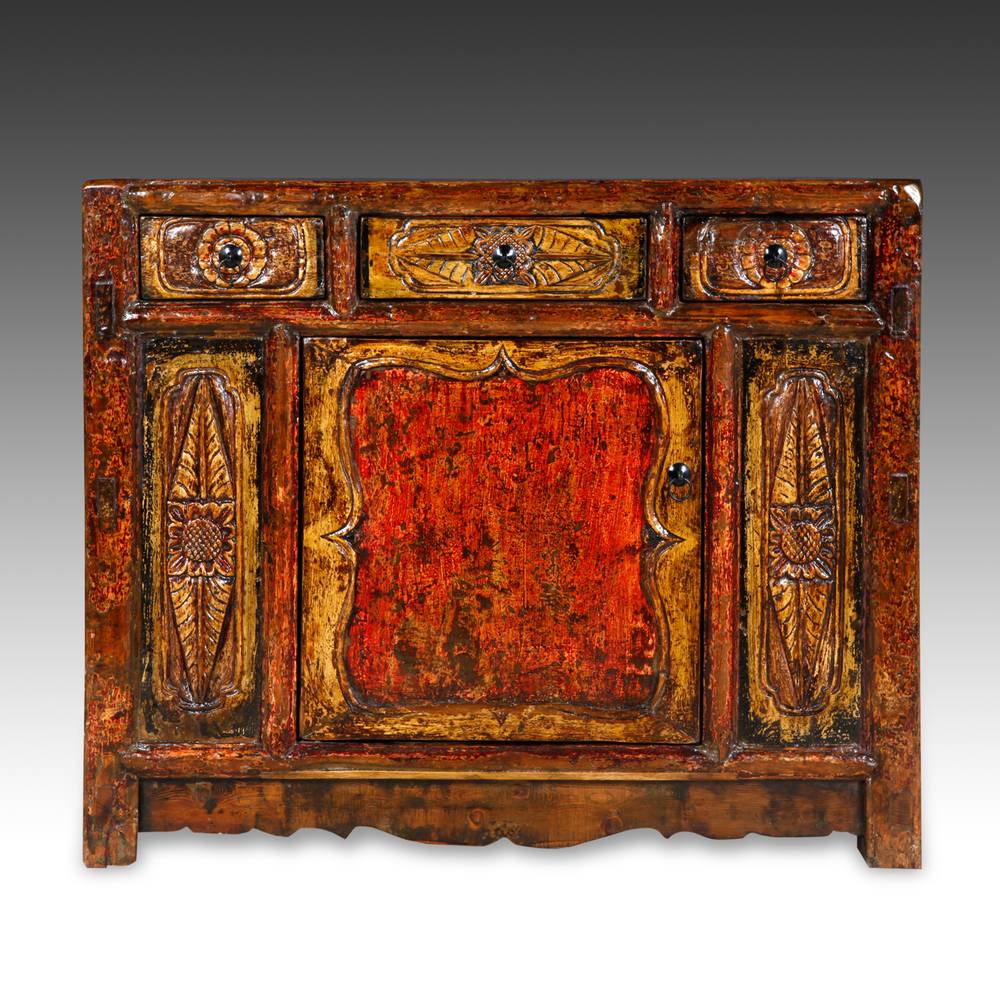 Most Gansu cabinets were crafted from locally available softwoods, particularly elm, poplar, and cypress, chosen for their workability rather than the dense hardwoods favored by elite urban workshops. Carpenters relied on traditional mortise-and-tenon joinery, requiring no nails or glue, which allowed the pieces to expand and contract with the dry continental climate. The cabinets typically feature a tall rectangular form with a pair of paneled doors, simple iron or brass hardware, and an interior fitted with shelves or small drawers for storing household goods, textiles, ledgers, or ceremonial items.
Painted Decoration
The defining feature of these cabinets is their hand-painted ornamentation. Artisans first applied a ground of gesso or pigmented lacquer, often in deep red, indigo, ochre, or black, then layered painted scenes across the door panels and side stiles. Common motifs include landscapes inspired by Daoist paradise imagery, blossoming peonies and lotus, cranes and qilin, scholars in pavilions, and auspicious calligraphic characters representing longevity, prosperity, and marital harmony. The painting style tends toward folk vibrancy rather than courtly refinement, with confident brushwork and saturated mineral pigments that have aged into rich, muted tones.
Collecting and Care
Today, antique Gansu cabinets are sought after by collectors of Asian folk furniture and interior designers drawn to their warmth and narrative imagery. Authentic examples display crackled paint surfaces, honest wear at the base and door edges, and hand-cut joinery visible from the interior. Buyers should be cautious of reproductions and of pieces with heavily restored or repainted surfaces, which diminish historical value. Properly cared for, kept away from direct sunlight and stable in humidity, these cabinets remain functional centuries after their making, carrying forward the visual culture of Gansu’s villages and caravan towns.