People of the High Plateau
The Tibetan Peoples: History and Significance
People of the High Plateau
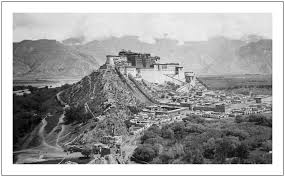 The Tibetan peoples are the Indigenous inhabitants of the Tibetan Plateau; the vast highland region of Inner Asia often called the Roof of the World. Numbering roughly seven million today, they are spread across the Tibet Autonomous Region of China and the neighboring provinces of Qinghai, Sichuan, Gansu, and Yunnan, with sizeable populations also in Bhutan, Nepal, and India, particularly in Ladakh and the exile community at Dharamshala. Tibetans are not a single uniform group but a family of closely related peoples that includes the Lhasa Tibetans of the central provinces of Ü and Tsang, the Khampa of the eastern Kham region, the Amdo of the northeastern grasslands, and many smaller communities such as the Sherpa, Bhutia, and Monpa. Their languages, all belonging to the Tibetic branch of Sino-Tibetan, share a common literary tradition rooted in classical Tibetan.
Origins and Empire
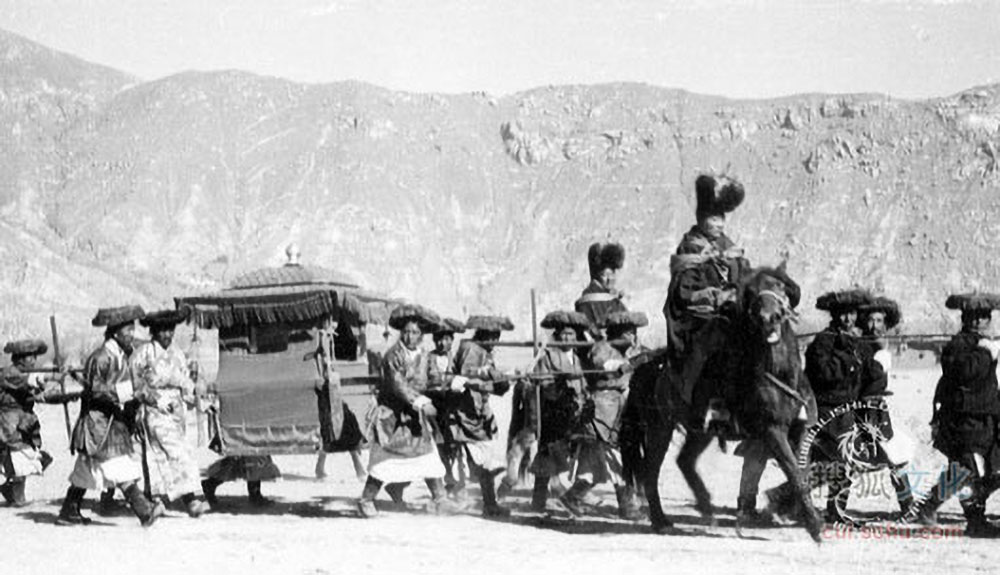 Genetic and archaeological evidence indicates that humans adapted to life on the plateau more than 30,000 years ago, developing distinctive physiological traits that allow Tibetans to thrive at altitudes above 4,000 meters. The unified Tibetan civilization emerged in the seventh century with the rise of the Yarlung dynasty under King Songtsen Gampo, who founded Lhasa, introduced a written script based on Indian models, and married princesses from Nepal and Tang China. Over the following centuries the Tibetan Empire became one of the great powers of Asia, briefly capturing the Chinese capital of Chang’an in 763. With the empire’s fragmentation in the ninth century, political authority gradually transferred to monastic orders, culminating in the lineage of the Dalai Lamas from the seventeenth century onward.
Religion and Daily Life
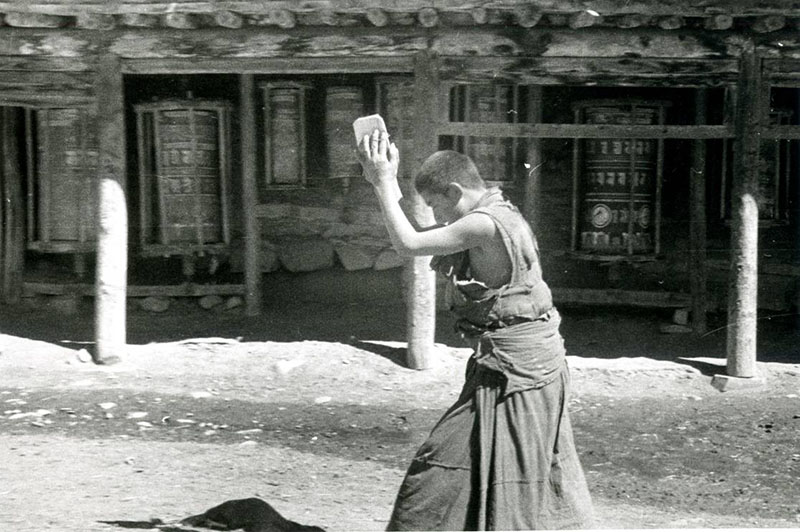 Tibetan Buddhism, drawing on Indian Mahayana and Vajrayana traditions blended with the Indigenous Bon religion, permeates nearly every aspect of life. Great monasteries such as Drepung, Sera, and Tashilhunpo served as centers of learning, art, and governance for centuries. Daily life on the plateau combines barley farming in the river valleys with the pastoral herding of yak, sheep, and goats by nomadic drokpa families, who provide meat, butter, wool, and the felt for traditional black tents. The Tibetan diet, dominated by tsampa roasted barley flour and butter tea, reflects the demands of high-altitude existence.
Significance Today
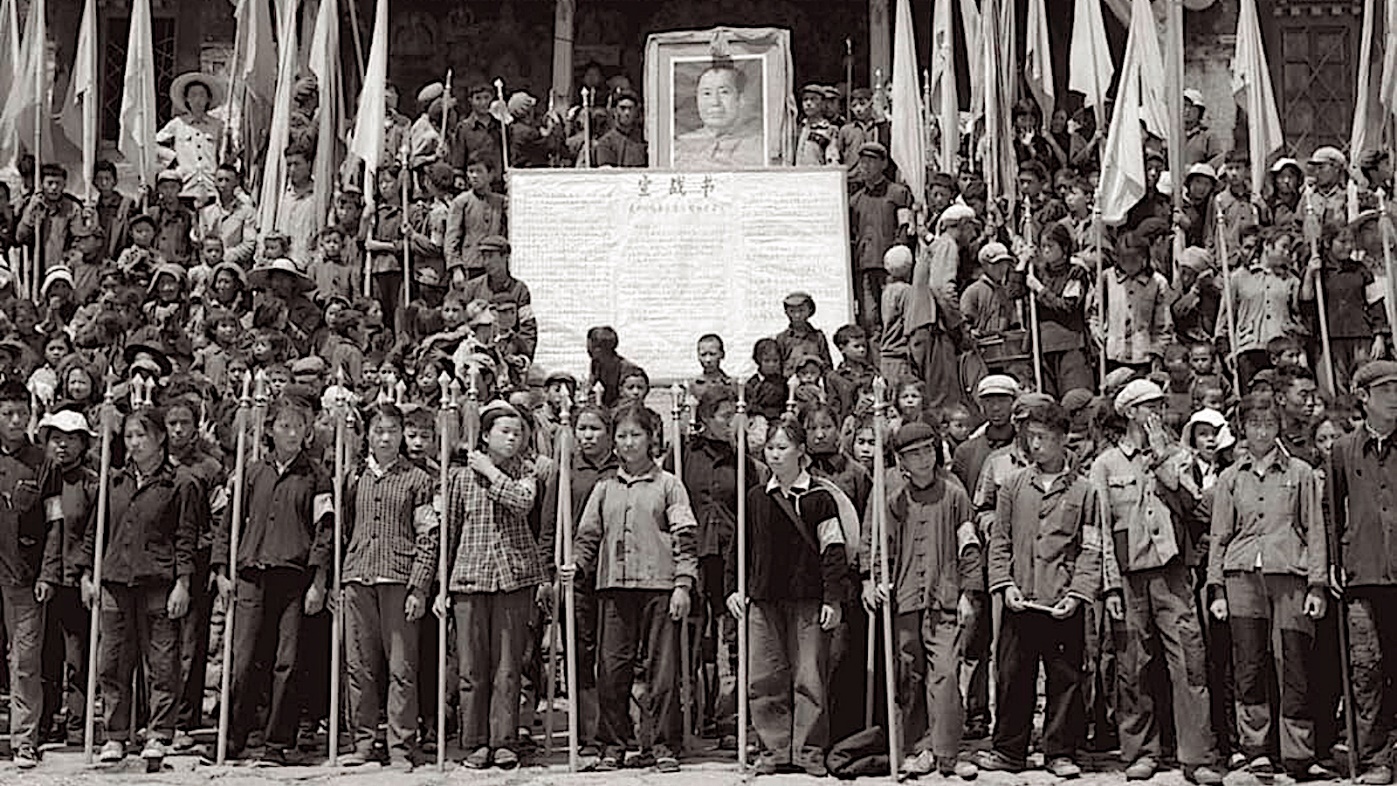 Following the Chinese annexation of Tibet in 1950 and the Dalai Lama’s flight into exile in 1959, the global Tibetan community has confronted profound political, religious, and cultural challenges. Yet Tibetan civilization continues to exert extraordinary influence worldwide through its philosophy, medicine, art, and meditation traditions. As stewards of one of the planet’s most fragile high-altitude ecosystems and bearers of an unbroken spiritual heritage, the Tibetan peoples remain a singular and resilient presence in the modern world.