A Tradition of Memory, Filial Piety, and Painted Lineage
Ancestor Portraits and Scrolls from China
A Tradition of Memory, Filial Piety, and Painted Lineage
Origins and Cultural Foundations
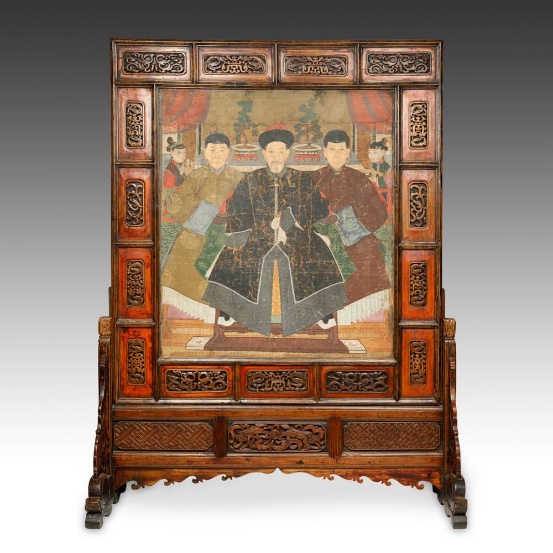 Ancestor portraits, known in Chinese tradition as commemorative likenesses of deceased forebears, grew out of one of the deepest currents of Chinese culture: the Confucian principle of filial piety. From early imperial times, families believed that death did not sever the bond between the living and their ancestors, and that properly honored forebears would return blessings of long life, prosperity, and male heirs to their descendants. Painted likenesses became the focal point of these household rites, serving as a tangible meeting place between the family and the spirit world.
Rise During the Ming and Qing Dynasties
 Although commemorative portraiture has roots in earlier dynasties, the genre flourished during the late Ming dynasty (1368–1644) and reached its peak in the Qing dynasty (1644–1911). Most surviving examples date from the Qing period, when the practice spread well beyond aristocratic households to scholar-officials, military families, and prosperous merchants. Commissioning a portrait was both an act of filial devotion and a public marker of social standing. Within the Qing imperial court, portraits of emperors and empresses, known as “sacred likenesses” (shengrong), were commissioned posthumously and installed in dedicated ancestral halls for state-sponsored ritual.
Visual Conventions and Technique
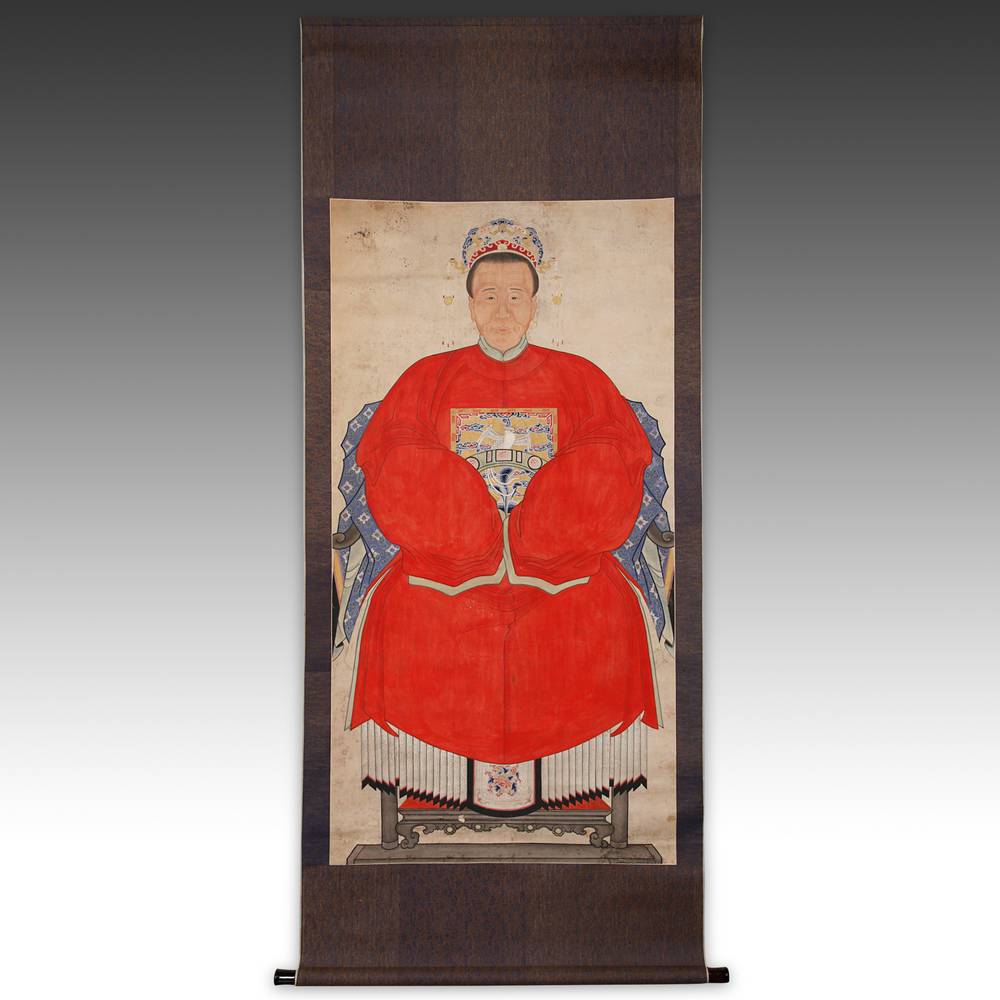
Ancestor scrolls follow a recognizable formal language. The subject is shown full-length, seated frontally on a carved chair above a footstool, gazing calmly outward in dignified stillness. Robes are rendered in rich silks and embroidered detail, with rank insignia such as the Mandarin square indicating official status. Faces are treated with striking realism, while bodies and garments are stylized and symmetrical. The portraits were painted in workshops, often by more than one artist: a face specialist captured the likeness, while others rendered robes, furnishings, and background. Painters’ sketchbooks of standard features survive, used by descendants to reconstruct the appearance of relatives remembered only from family accounts. Hierarchy could even be retroactively elevated, with later generations updating an ancestor’s rank insignia to reflect their own success.
Ritual Use and Decline
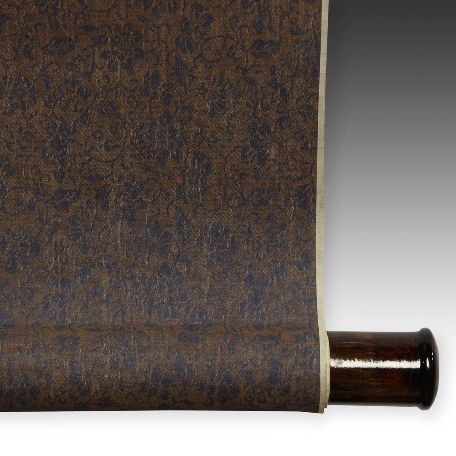 The scrolls were not displayed year-round. Stored carefully and unrolled at New Year, death anniversaries, and other key occasions, they presided over offerings of food, wine, and incense placed on family altars. Neglecting these rites was thought to risk the displeasure of ancestral spirits. With the spread of photography in the late nineteenth and early twentieth centuries, painted portraits gradually gave way to photographic likenesses, and the tradition declined after the fall of the Qing in 1911.
Significance Today
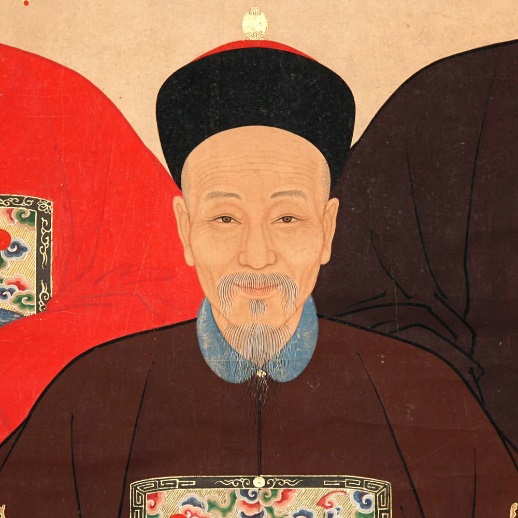 Long held privately within families and rarely seen on the open market before the twentieth century, ancestor portraits are now recognized as a distinctive Chinese art form. They offer art historians evidence of costume, rank, and provincial painting styles, and they remain powerful records of how Chinese families painted memory itself, ensuring that those who came before would not be forgotten.