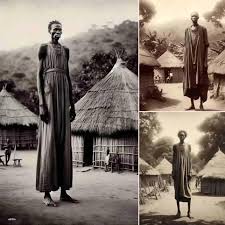
History, Materials, and Cultural Significance
The Handicrafts of the Oromo People
History, Materials, and Cultural Significance
A Craft Tradition Rooted in Daily Life
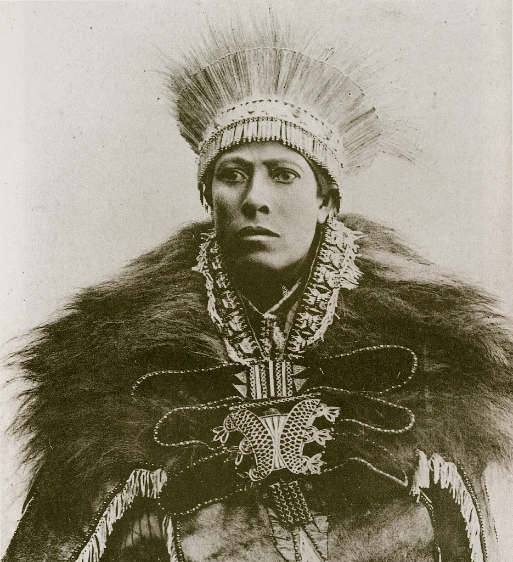 The Oromo, the largest ethnic group in the Horn of Africa, have sustained a rich tradition of handicraft production for centuries. As primarily pastoralist and agricultural communities spread across the varied landscapes of present-day Ethiopia and northern Kenya, the Oromo developed crafts shaped by the materials closest at hand: cattle hides and horn, palm and grass fibers, gourds, clay, wood, and metal. Traditionally, objects were made for household use, dowry, and ceremonial gifting rather than for trade, which gave the work a deeply personal and symbolic character that endures today.
Wood, Horn, and Gourd
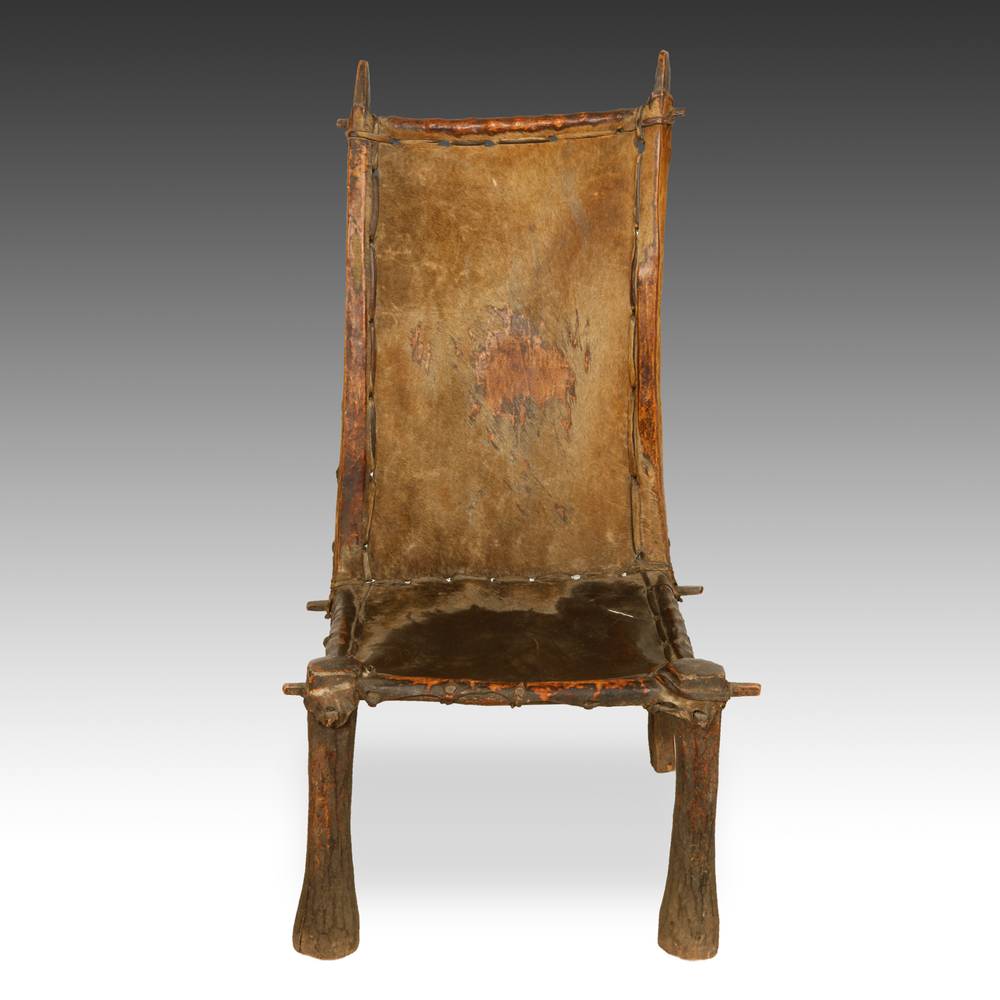 Woodworking is among the oldest and most refined Oromo crafts. Carpenters carve platters, stools, plows, honey barrels, and the broad serving board known as the gabatee, while specialized artisans produce arched wooden headrests that also serve as pillows. Animal horn is shaped into the geeba and waancaa, drinking cups used for daadhii (honey wine), and into the fal’aana, a slender spoon for scooping food. Dried gourds, or buqqee, are hollowed and decorated for milk vessels, sometimes wrapped in leather and adorned with cowrie shells and soft metal inlay, as in the celebrated baaqqicha aannanii of the Guji Oromo.
From the Collection of Oromo items – Primitive – Chicago
Pottery, Leather, and Weaving
Pottery is largely the work of women, who hand-build water jars, basins, dishes, and cooking vessels from local clay using techniques passed from mother to daughter. Among the Jimma and Macca Oromo of western Oromia, pottery forms carry symbolic meaning tied to food, fertility, and household identity. Leatherworkers transform cured hides into milk bags, saddles, sheaths, and decorative straps, while weavers in regions such as Limmu in East Wollega produce cotton cloth, carpets, ropes, and mats from palm leaves and other plant fibers. Straw is plaited into the baattuu shinii, a small woven cradle used to carry coffee cups on long journeys.
Metalwork and Music
Blacksmiths forge hoes, axes, knives, and ceremonial spears, and goldsmiths in some Oromo regions craft fine earrings and necklaces. A separate community of artisans builds traditional musical instruments such as the masanqo single-stringed fiddle, the kirar bowl-lyre, and a range of drums used in religious and life-cycle ceremonies.
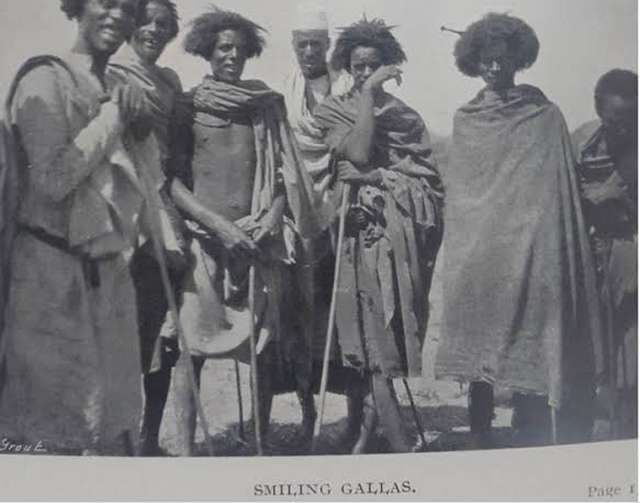
 Significance and Revival
Despite their economic and ceremonial importance, Oromo craftspeople have historically been marginalized within rural society, often restricted to endogamous marriage and treated as a separate caste. Today, growing tourism, diaspora demand, and cultural-pride movements tied to the revival of Oromo identity are renewing interest in handmade goods. Cooperatives and women’s groups are turning ancestral skills into sustainable livelihoods, ensuring that pottery, weaving, woodcarving, and horn craft continue to carry the visual language and material memory of Oromo culture into the future.