Stone Forests of an Indonesian Volcanic Landscape
Petrified Wood from Java
Stone Forests of an Indonesian Volcanic Landscape
Geological Origins
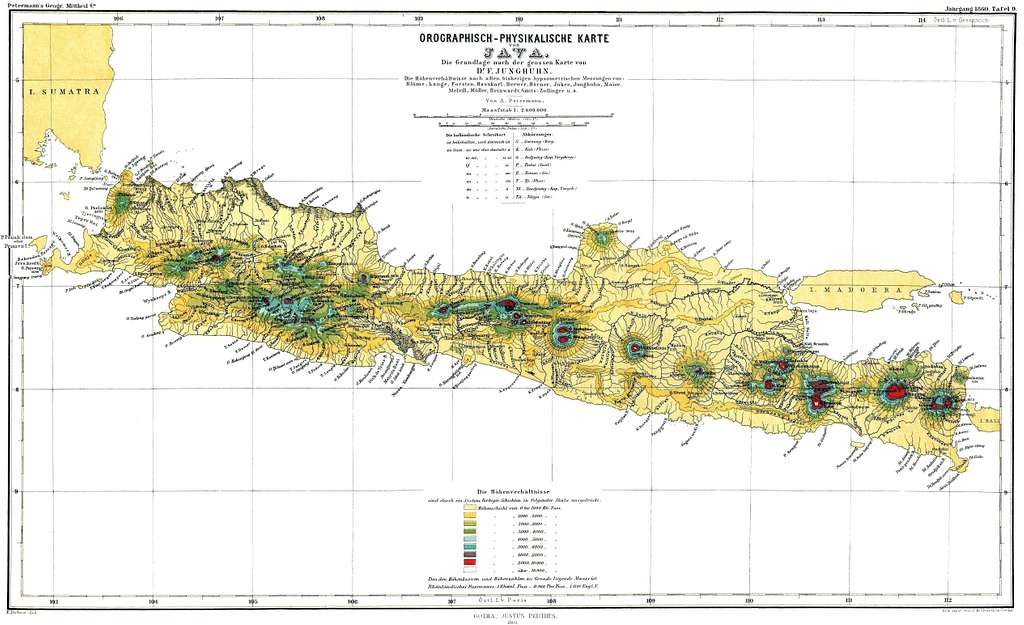 The Indonesian island of Java is home to some of the world’s most exceptional petrified wood. Formed millions of years ago, when ancient forests were buried under volcanic ash, mudflows, and sediment from the island’s many active volcanoes, the trees were cut off from oxygen and prevented from decaying. Over vast stretches of time, mineral-rich groundwater—laden with silica leached from the surrounding volcanic rock—slowly seeped into the woody tissue. Cell by cell, the organic material was replaced by quartz, opal, and chalcedony, a process known as permineralization that preserved the trees in remarkable detail.
Appearance and Character
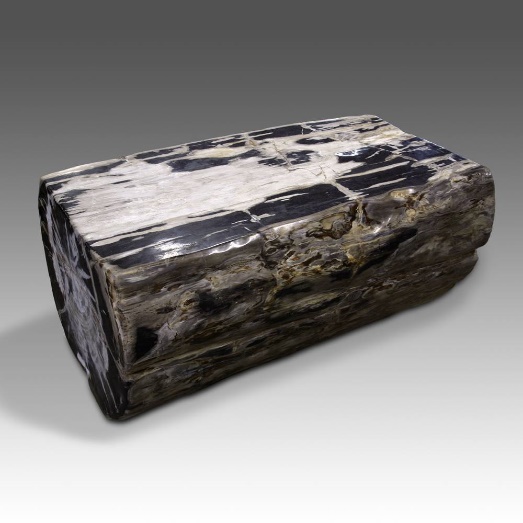
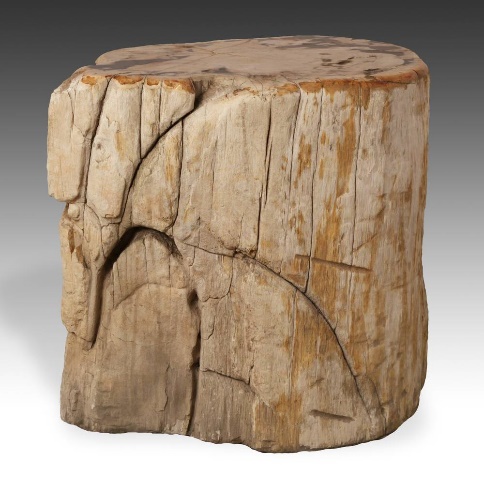 Javanese petrified wood is celebrated for its rich palette and crisp preservation. Specimens often display warm earth tones of caramel, honey, rust, and chocolate, accented by streaks of cream, gold, black, and occasional flashes of blue or green where trace minerals such as iron, manganese, and copper have entered the matrix. Growth rings, bark texture, knots, and even insect borings remain clearly visible, faithfully recording the life of the original tree. When cut and polished, cross-sections reveal swirling patterns that resemble agate or jasper while still unmistakably reading as wood.
Sourcing and Craftsmanship
The logs are unearthed from sedimentary deposits and transported to local workshops. Indonesian artisans have developed a sophisticated lapidary tradition around the stone, using diamond saws and progressively finer abrasives to cut, shape, and polish it into furniture and decorative objects. Coffee tables, side tables, sinks, bowls, sculptural stools, and bookends are among the most common forms, with each piece dictated by the natural contour of the original log. The labor is considerable: a single table can require weeks of finishing to bring out the full depth of color and grain.
Care and Collecting
Petrified wood is essentially quartz, registering around 7 on the Mohs hardness scale, which makes it durable enough for everyday furniture use indoors or in sheltered outdoor settings. Surfaces should be wiped with a soft cloth and mild soap rather than harsh chemicals, and polished pieces benefit from occasional waxing to maintain their luster. Collectors prize Javanese specimens for the combination of bold figuring, generous size, and the geological story they carry: a quiet record of forests, eruptions, and millions of years pressed into stone.