The Ritual Dagger of the Himalayas
The Phurba or Kila: History, Significance, and Materials
The Ritual Dagger of the Himalayas
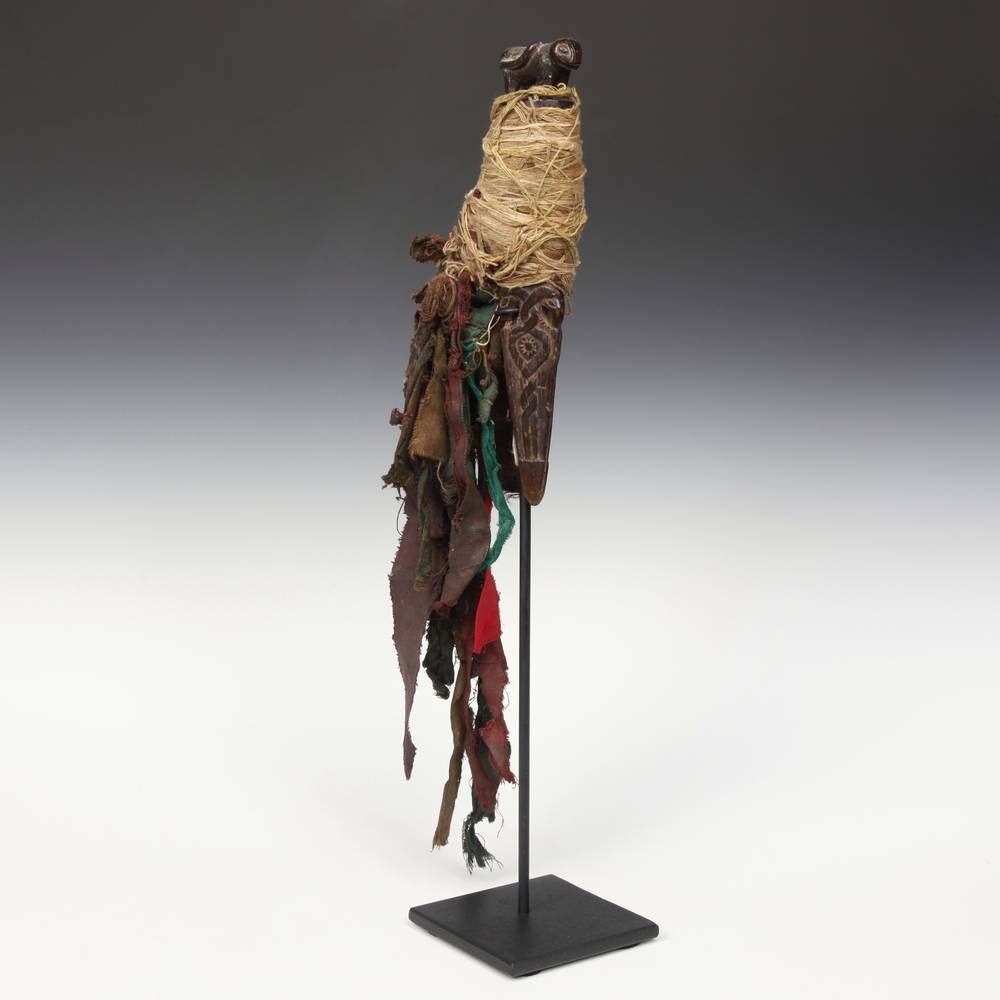 The Phurba, known in Sanskrit as the Kila, is a three-sided ritual dagger central to Tibetan Buddhist tantric practice. Its name in both languages means “nail” or “peg,” referring to its function of pinning down obstacles, demons, and negative forces. Despite its weapon-like appearance, the Phurba is never used to draw blood. It is a meditative tool, a focus for visualization, and a sacred object believed to embody the wrathful deity Vajrakilaya, the embodiment of the activity of all the Buddhas. Through the phurba, a practitioner symbolically transfixes the three poisons of ignorance, attachment, and aversion that bind beings to suffering.
Origins and Transmission
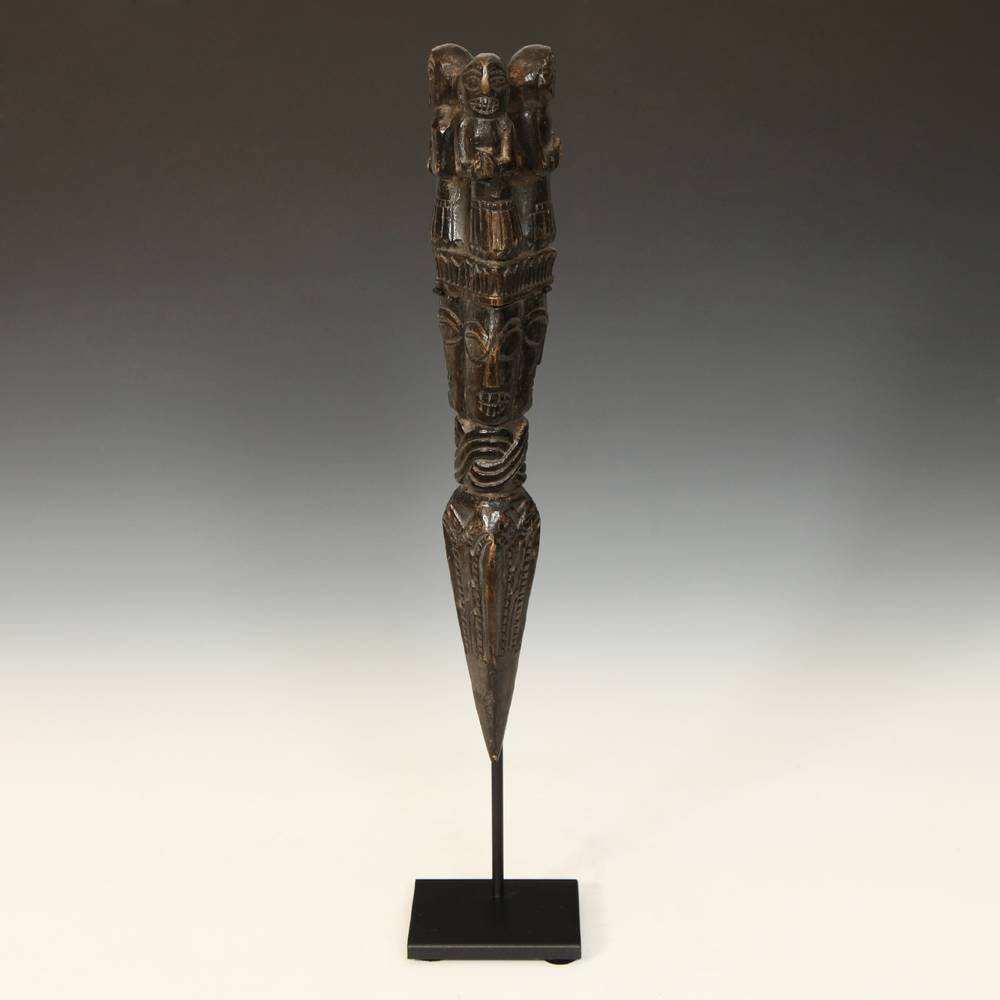 The Kila has ancient roots in Indian Vedic ritual, where wooden pegs were used to anchor sacrificial sites and consecrate ground. Adopted into Buddhist tantric practice in northern India, it was transmitted into Tibet in the eighth century by the great master Padmasambhava, who is traditionally credited with subduing the hostile spirits of the plateau using a phurba and binding them as protectors of the dharma. The Vajrakilaya tantra became one of the most important practice cycles of the Nyingma school, the oldest tradition of Tibetan Buddhism, though the phurba is also employed in the Sakya, Kagyu, and Bon traditions. It plays a vital role in consecrating temple grounds, exorcising harmful influences, and protecting the practitioner during meditation.
Form and Materials
A phurba is composed of three principal sections. The pommel typically depicts the three faces of Vajrakilaya, peaceful, semi-wrathful, and wrathful, often surmounted by the head of a horse representing the wisdom-being Hayagriva. The grip is wrapped or carved with vajras, lotus blossoms, and endless knots. The blade descends in three triangular sides, frequently emerging from the open mouth of a sea monster called a makara, and may bear coiled serpents along its length. The materials vary with the bead’s purpose and the means of its owner. The most common phurbas are forged from iron, bronze, or brass, sometimes inlaid with copper, silver, and gold. Wooden phurbas, often carved from sacred trees such as sandalwood, juniper, or rosewood, are used for daily practice and for rites that require the dagger to be planted in the earth. Ceremonial examples may be carved from rock crystal, turquoise, meteoric iron prized as thokcha, or human bone, particularly the femur, 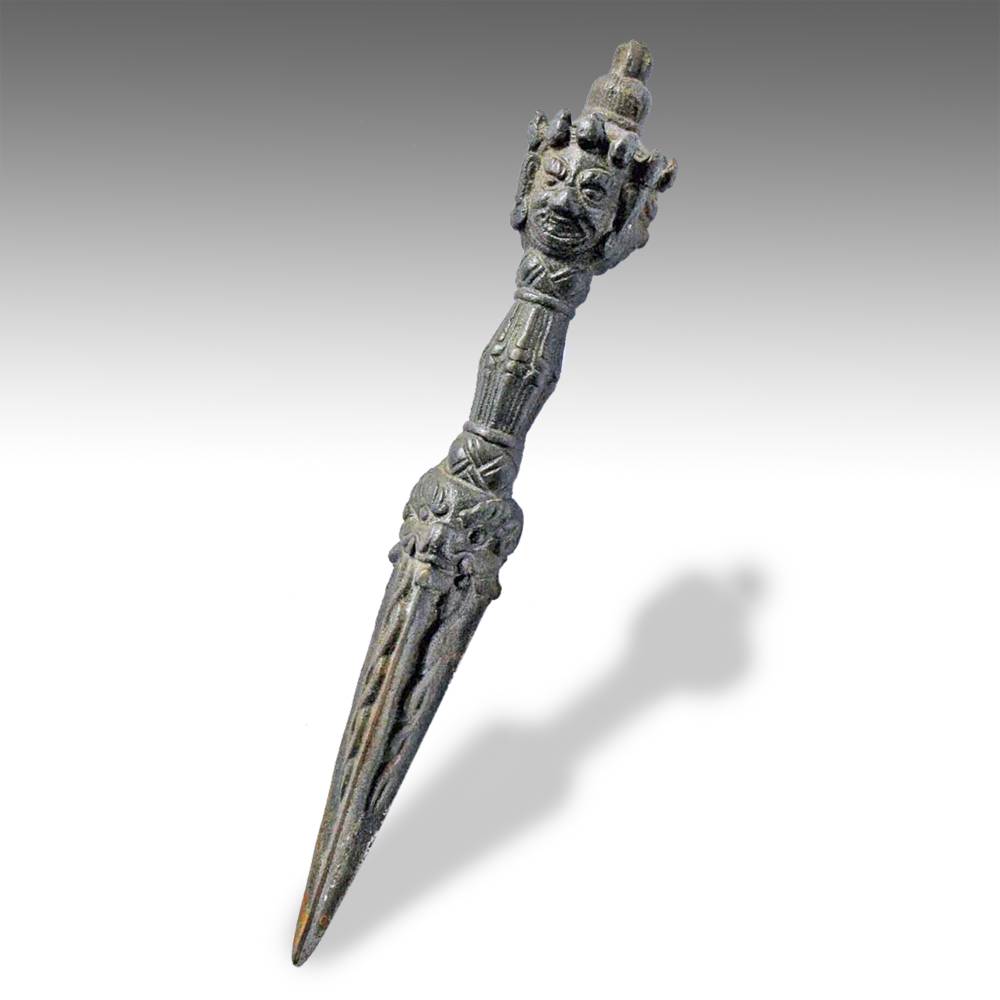 used in advanced charnel-ground practices. The most precious phurbas are credited to terma masters who recovered them as hidden treasures and are believed to carry the blessings of Padmasambhava himself.
Enduring Significance
Today the phurba remains a living instrument of practice in monasteries and lay households throughout the Himalayan world, while antique examples are studied as masterworks of sacred metallurgy and woodcarving. As both meditative emblem and ritual implement, it continues to embody the Buddhist conviction that compassion can pierce illusion at its very root.