The Dayak are the Indigenous peoples of the island of Borneo, the third largest island in the world, today divided between Indonesia, Malaysia, and Brunei. Numbering several million across more than two hundred distinct subgroups, the Dayak are not a single ethnic group but a broad family of related peoples that includes the Iban, Kenyah, Kayan, Ngaju, Bidayuh, Lun Bawang, and many others. The name “Dayak,” widely used since the colonial period, derives from a local term meaning “inland” or “interior,” distinguishing them from coastal Malay populations. Linguistic and archaeological evidence suggests their ancestors arrived in Borneo as part of the Austronesian migrations several thousand years ago, where they developed cultures uniquely adapted to the dense rainforests and mighty river systems of the island.
Society and Daily Life
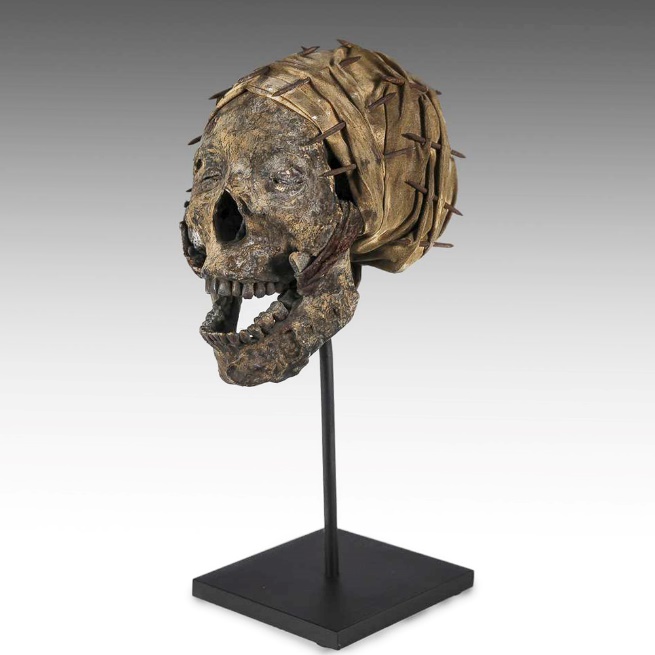
Traditional Dayak society is centered on the longhouse, an extraordinary communal dwelling raised on wooden stilts that may stretch more than a hundred meters in length. A single longhouse can shelter dozens of families, each with its own private quarters opening onto a shared veranda where social and ceremonial life unfolds. The Dayak economy has long combined shifting cultivation of hill rice with fishing, hunting with blowpipes, and the gathering of forest products such as rattan, resins, and medicinal plants. Rivers serve as the highways of the interior, navigated by elegant carved canoes. Until the early twentieth century, headhunting was practiced by many Dayak groups as part of warfare and spiritual ritual, a custom suppressed under colonial rule and largely abandoned today.
Art, Belief, and Identity
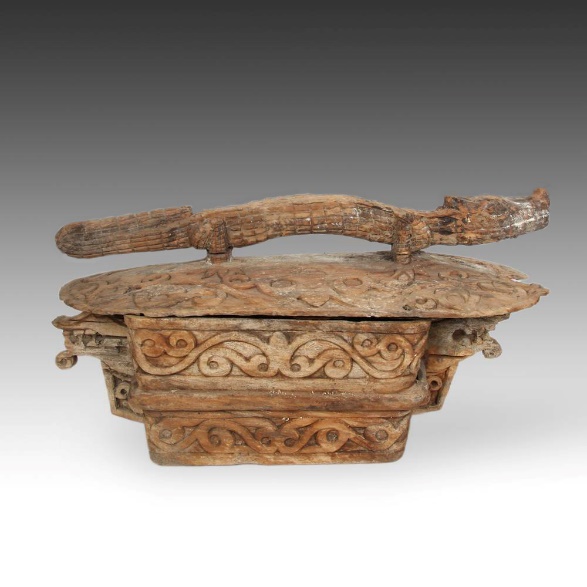
The Dayak are renowned for their artistic traditions, especially intricate beadwork, woven textiles, woodcarving, and elaborate body tattoos that historically marked life passages and personal achievements. Carved hornbill figures, mask dances, and towering ancestor poles known as hampatong reflect a worldview rooted in animism and ancestor veneration, often called Kaharingan. In this cosmology the forest, rivers, and mountains are inhabited by spirits with whom humans must maintain respectful balance. Today many Dayak are Christian or Muslim, yet ancestral rituals, harvest festivals such as Gawai Dayak, and the symbolism of the hornbill remain central to community identity.
Contemporary Challenges and Significance
In recent decades the Dayak have faced profound pressures from logging, palm oil plantations, mining, and the loss of customary forest lands. Many communities have organized politically and legally to defend ancestral territories and revitalize traditional knowledge. The relocation of Indonesia’s capital to Nusantara in East Kalimantan has placed Dayak culture at the center of national attention, raising both opportunities and concerns. As guardians of one of the world’s most biodiverse rainforests and bearers of an extraordinary cultural heritage, the Dayak peoples remain a vital and resilient presence in Southeast Asia.
 Contemporary Challenges and Significance