The Vajra Path
Buddhist Tantric Practices: History and Significance
The Vajra Path
Buddhist tantric practice, also known as Vajrayana or the Diamond Vehicle, represents one of the three great currents of Buddhism alongside Theravada and Mahayana. The word tantra literally means “thread” or “continuum,” referring to the unbroken transmission of teachings from master to disciple and to the underlying continuity that links the ordinary mind with awakened Buddhahood. While sutra-based forms of Buddhism approach enlightenment through gradual cultivation of virtue and insight over many lifetimes, tantra offers what its adherents describe as a swift and powerful path, capable of achieving liberation in a single lifetime by harnessing the very energies that ordinarily bind us to suffering.
Origins and Spread
Buddhist tantra emerged in northern India between roughly the fifth and seventh centuries, drawing on earlier Mahayana philosophy, yogic traditions, and parallel developments in Hindu Shaivism. Its great seats were the monastic universities of Nalanda, Vikramashila, and Odantapuri, where mahasiddhas such as Saraha, Nagarjuna, and Tilopa transmitted secret teachings outside the conventional curriculum. From the seventh century onward, these teachings spread along the Silk Road into China, where they influenced Chan and gave rise to the Shingon school of Japan through the work of Kukai. They also moved south into Indonesia and across the Himalayas into Tibet, where in the eighth century the master Padmasambhava established the foundations of what would become Tibetan Vajrayana. Following the Muslim conquests of northern India in the twelfth and thirteenth centuries, Tibet became the principal living repository of Buddhist tantra.
Practices and Methods
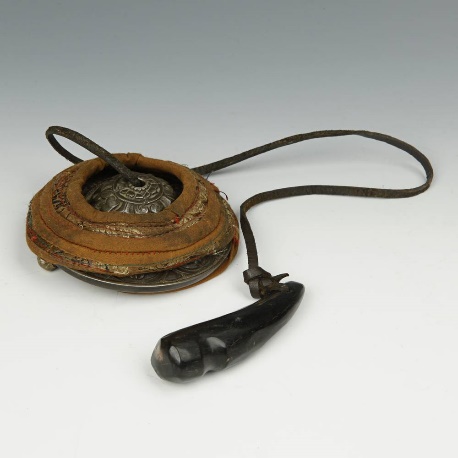
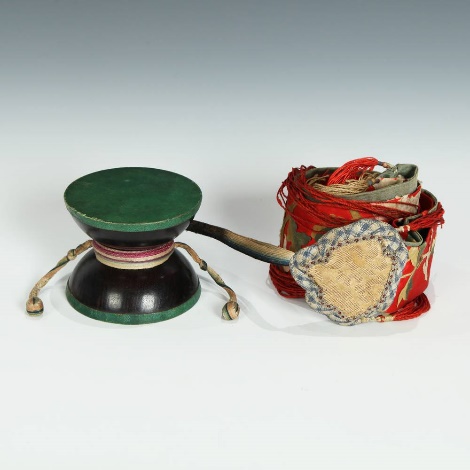
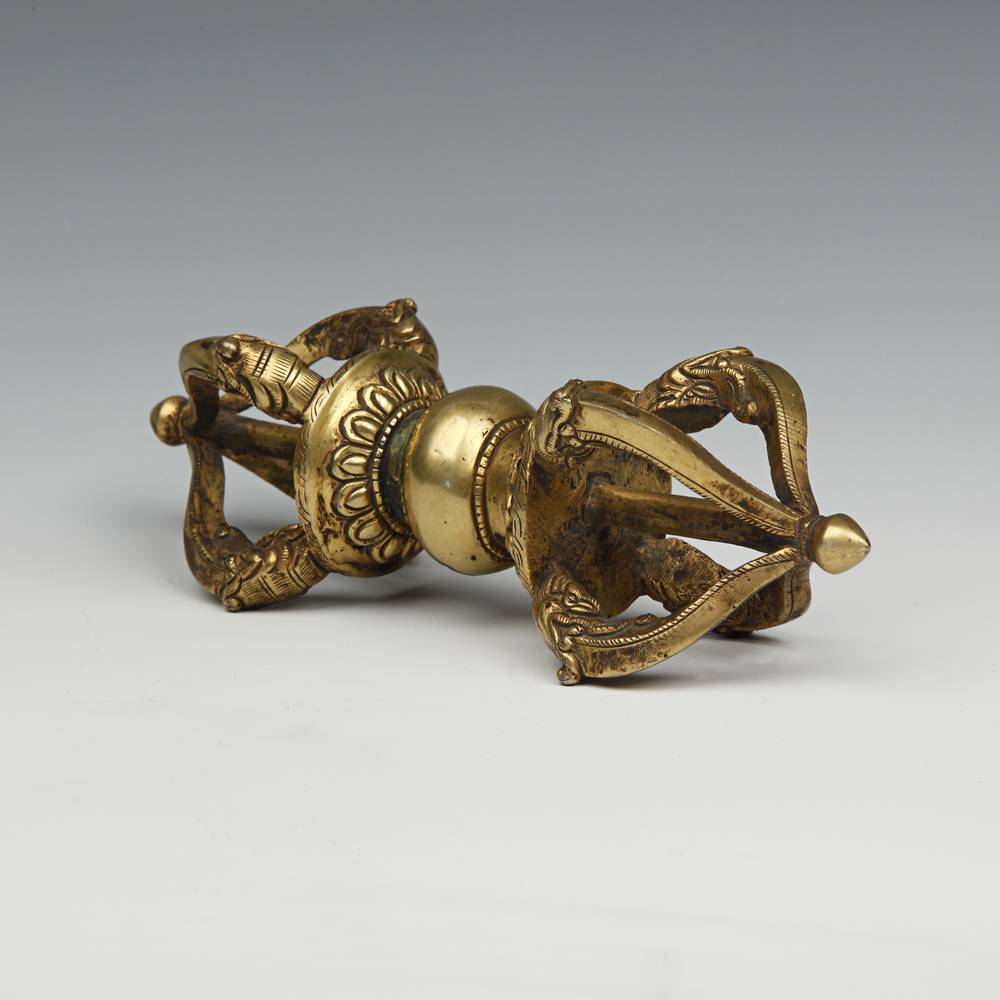 Tantric practice is famously rich in technique. Practitioners receive empowerments, or wang, from a qualified lama before undertaking the deity yoga at the heart of the system. In this practice, the meditator visualizes themselves as a fully enlightened deity, dwelling in a luminous mandala palace, while reciting the deity’s mantra and contemplating the empty, dreamlike nature of the experience. Other methods include subtle body yoga’s that work with channels, winds, and drops to transform mental energy, dream yoga and the practice of clear light, and advanced disciplines such as Dzogchen and Mahamudra that point directly to the nature of mind. Ritual implements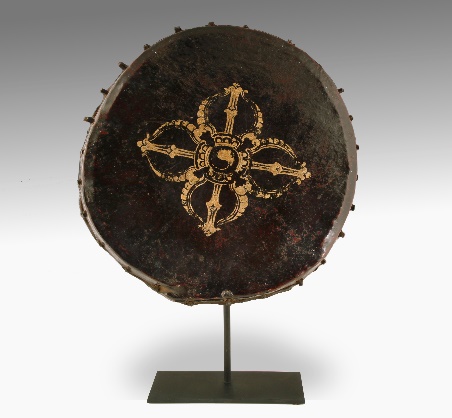
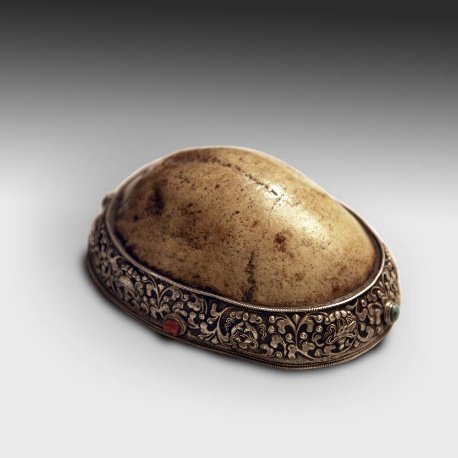
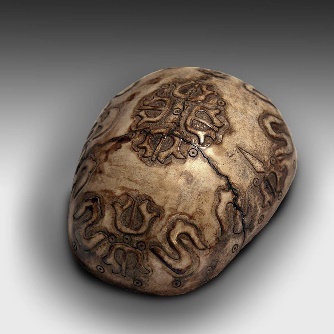 like the vajra, bell, phurba, damaru drum, and skull cup support these practices, while sacred art forms including thangkas, mandalas, and sand paintings serve as visual support for meditation.
 Significance
 Buddhist tantra has profoundly shaped the religious cultures of Tibet, Bhutan, Mongolia, Nepal, and Japan, and through the Tibetan diaspora it now reaches a global audience. Its psychology of working skillfully with desire, anger, and fear rather than suppressing them, its sophisticated meditation systems, and its luminous artistic expressions continue to draw scholars, practitioners, and artists alike. As a path that promises the transformation of ordinary experience into the very ground of awakening, tantric Buddhism remains one of the most distinctive contributions of Asian religious thought to world spirituality.
From the collections found at Primitve