Rugs Persian
Fars province, a Qashqai encampment at the spring pastures. Wool is hand-spun, the dyes are boiling, and the loom is already strung.
Persian rugs come from the tribes and towns of Iran. Bakhtiari weavers of the Zagros knotted garden-panel carpets. Qashqai and Lori nomads of Fars, around Shiraz, made lustrous gabbeh and pile rugs with stylized animals and medallions. Shahsavan kilims and sumak bags come from the northwest. Sofreh eating cloths were spread on the floor for meals, and pile saddle bags, opened flat, become small rugs of their own. Kurdish and Baluch weaving, monumental kilim carpets and antique silk rugs extend the tradition.
Natural dyes, abrash and hand-spun wool give depth in changing light. A gabbeh under a desk, a sofreh on a dining table or a Shiraz runner in a long hall grounds a room in color.
Persian rugs, in the end, are a form of long-term thinking.
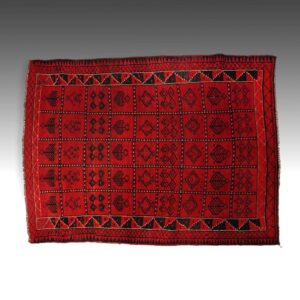
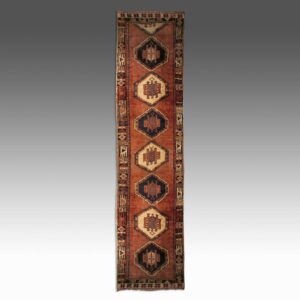
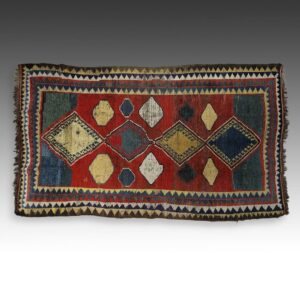
In the collection now: Persian Shiraz / Lori Pile Rug, Turkish Gabbeh Pile Rug, and Persian Shiraz Pile Runner.
Showing all 3 results